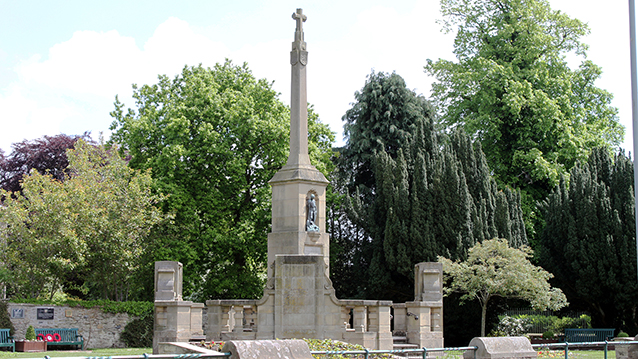
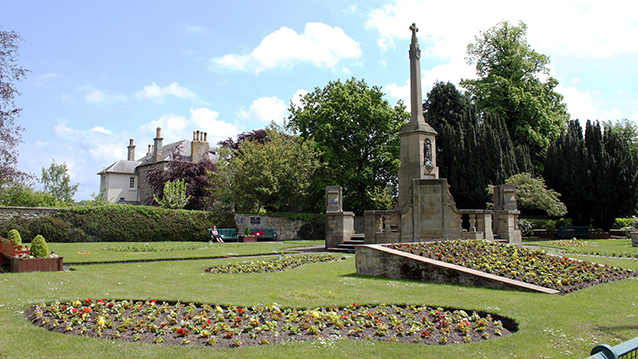
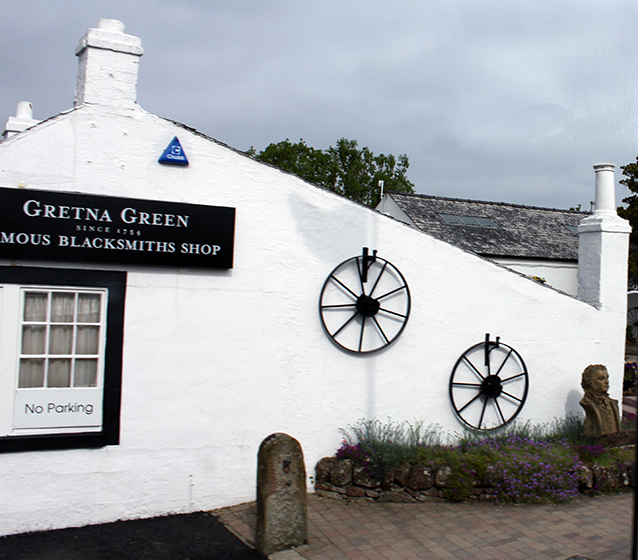
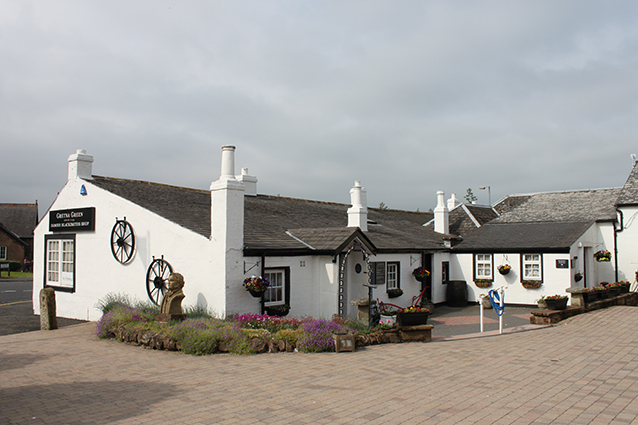
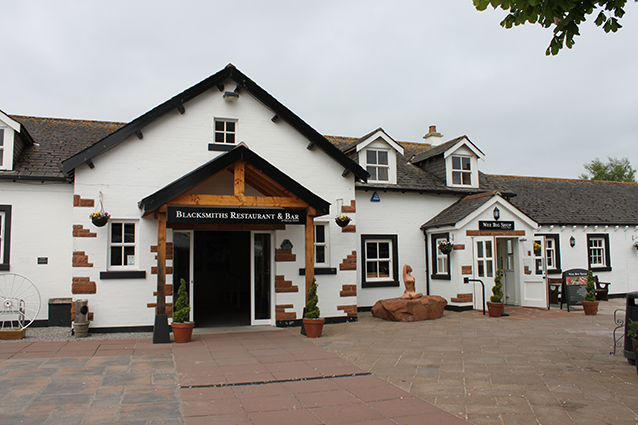
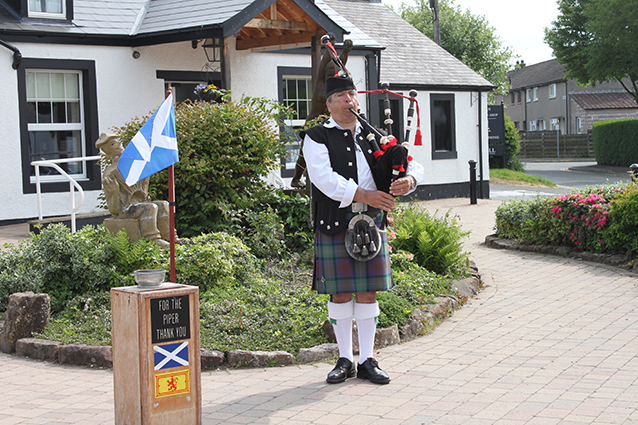
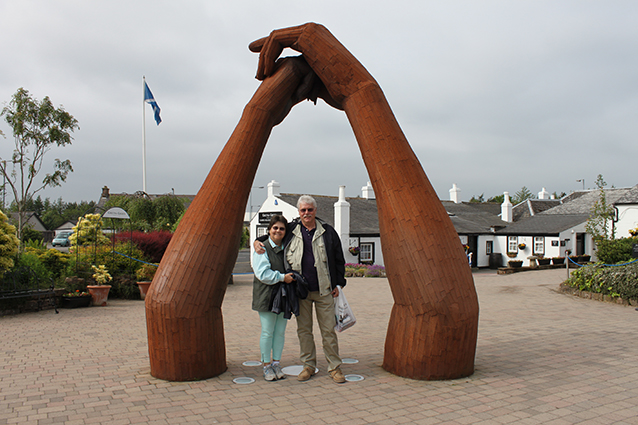
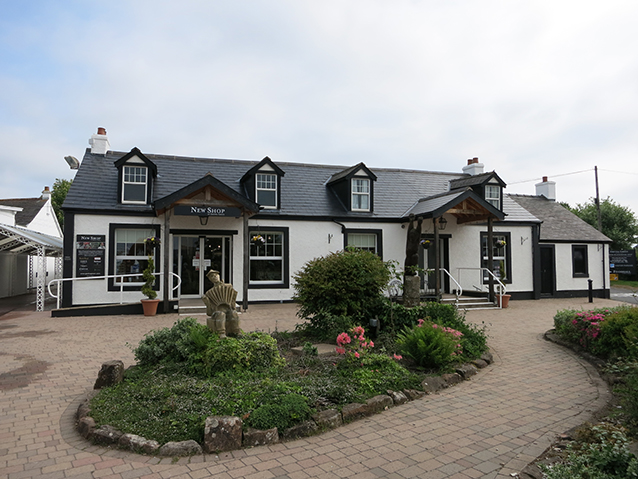
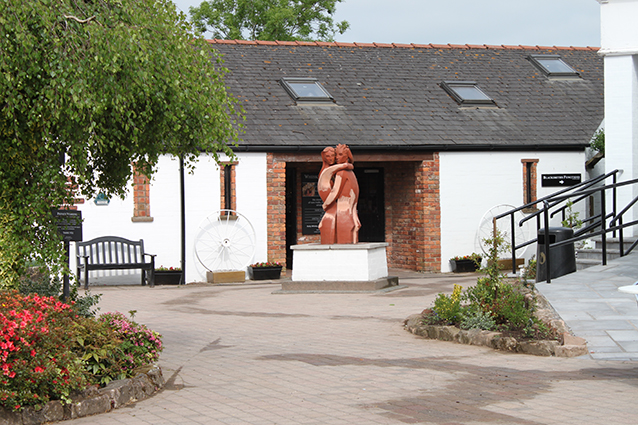
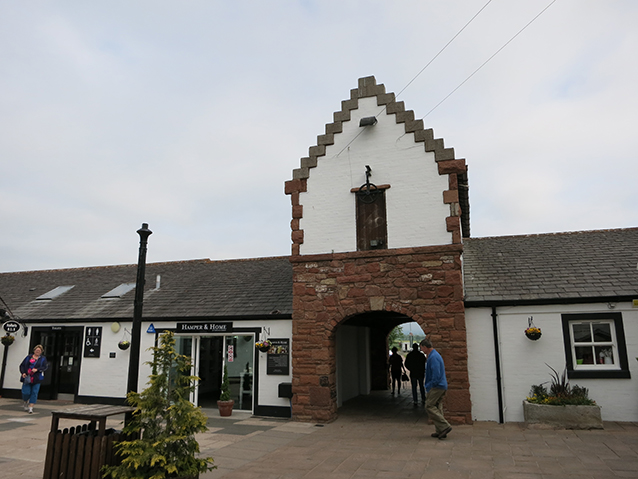
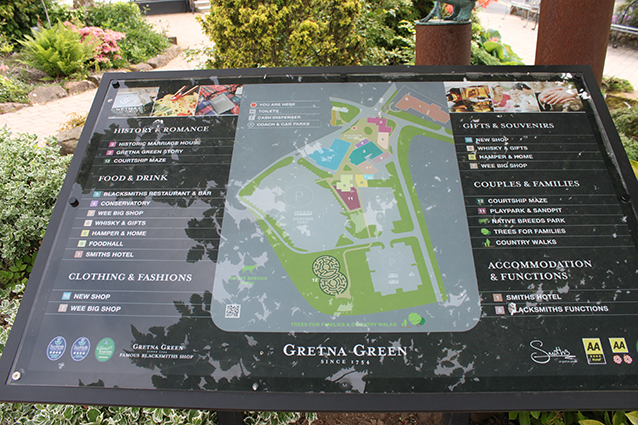
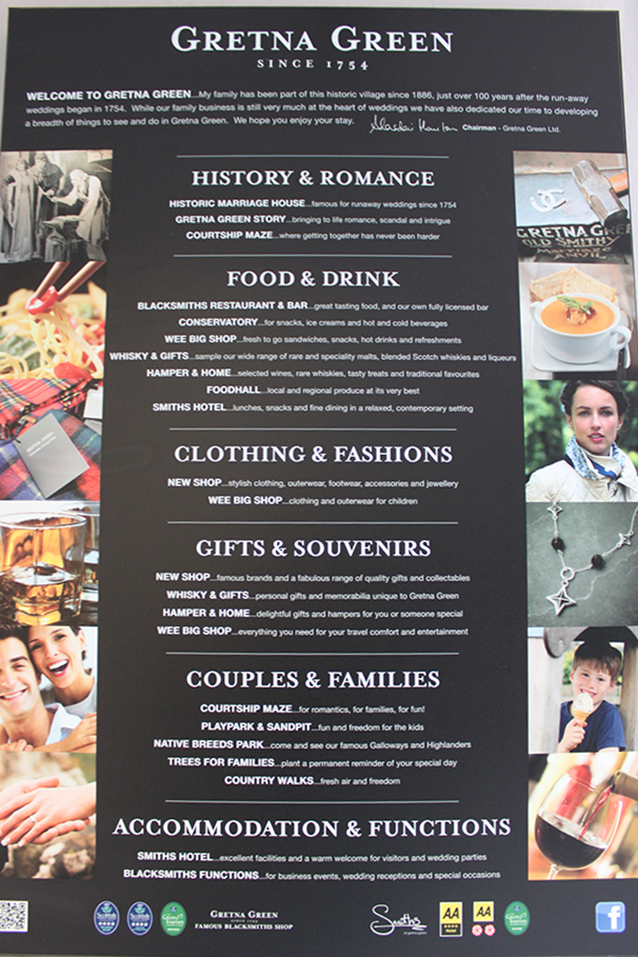
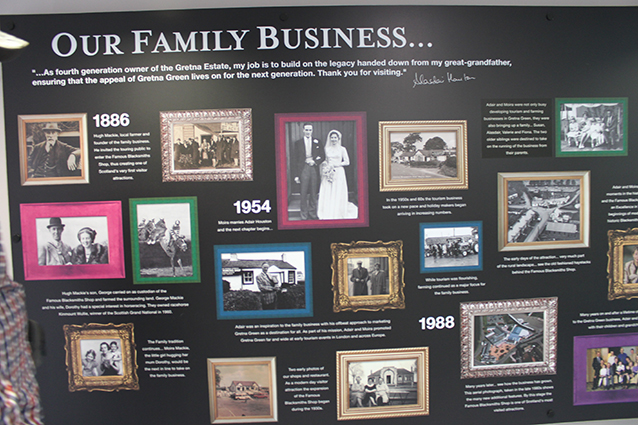
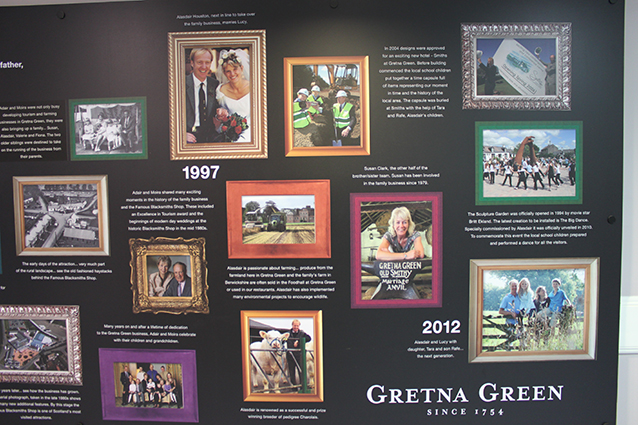
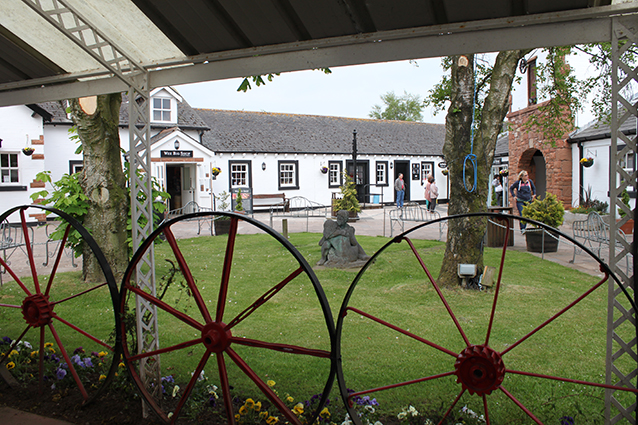
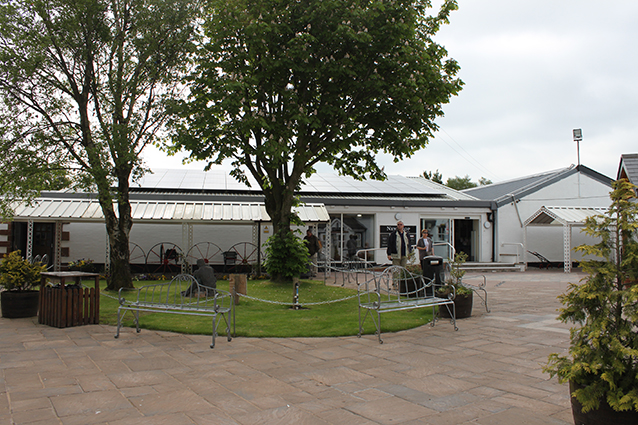
Gretna Green, a village in Scotland near the English border, is famous as a historic elopement destination for runaway lovers, especially from England, due to more lenient Scottish marriage laws allowing quick, informal unions without parental consent (unlike England's 1754 Act requiring age 21/parental consent). The blacksmiths' shop, where couples married over an anvil, became the iconic spot, earning blacksmiths the nickname "anvil priests," though today it's a major tourist attraction celebrating this romantic, rebellious history, with many modern weddings still held there.
Gretna Greene, Jedburgh and Kelso Abbey
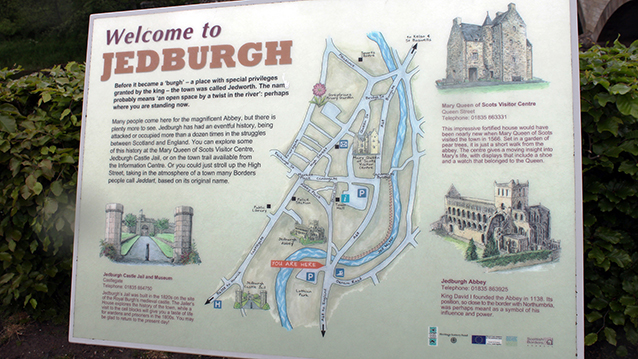
Jedburgh is a historic Scottish Borders town on the Jed Water river, known for its dramatic abbey ruins, connection to Mary, Queen of Scots (who stayed at Queen Mary's House), and its castle jail-turned-museum, offering a rich blend of history, border warfare heritage, and scenic beauty near the English border, often called 'Jethart' by locals.
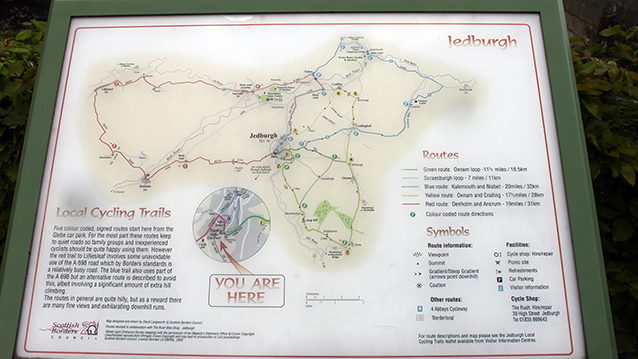
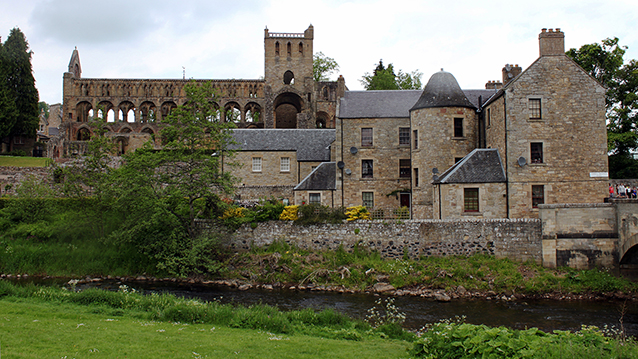
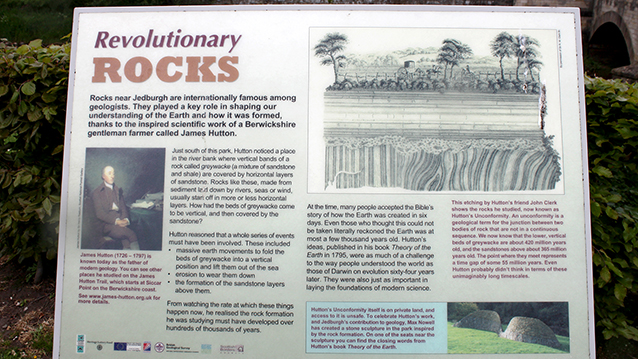
The term "Revolutionary Rocks" in Jedburgh, Scotland, refers to the geological discoveries made by James Hutton at nearby sites like Inchbonny (Jed Water river cliff), which were foundational to the development of modern geology. Hutton's observations at these locations and the more famous Siccar Point led him to propose the theory of Uniformitarianism, arguing for an immensely long geological timescale and the cyclical nature of Earth's processes.
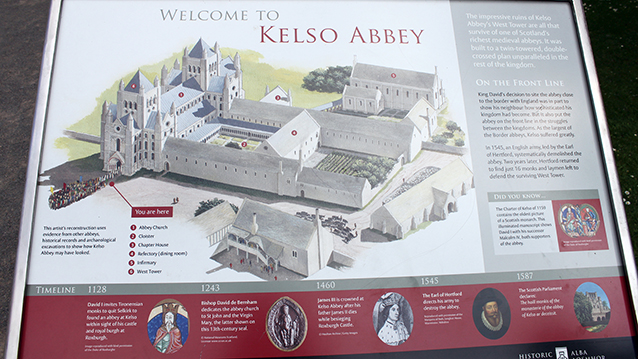
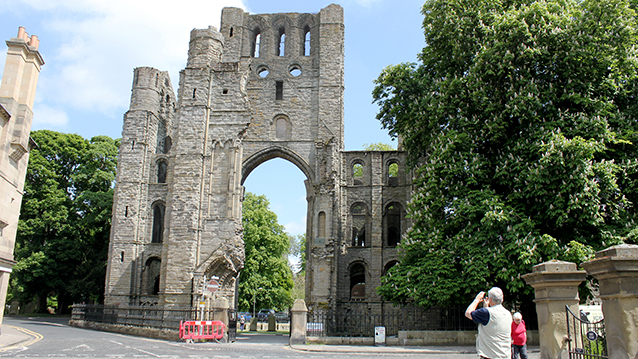
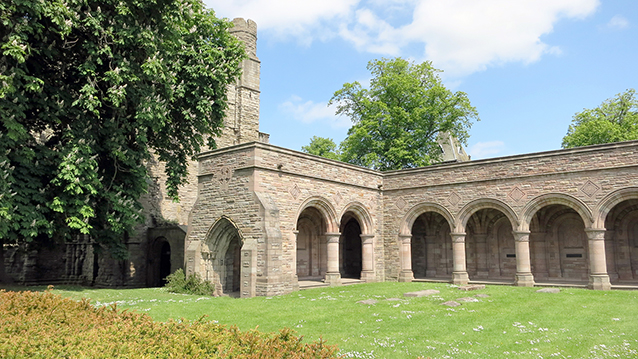
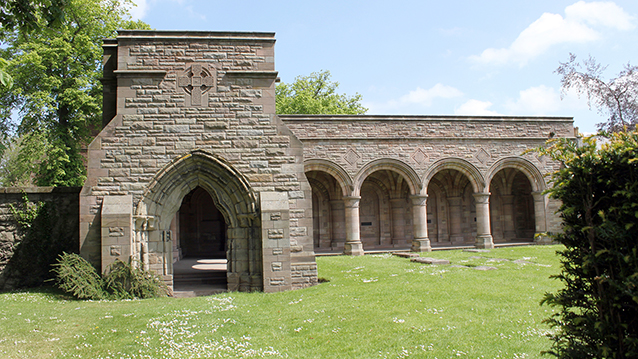
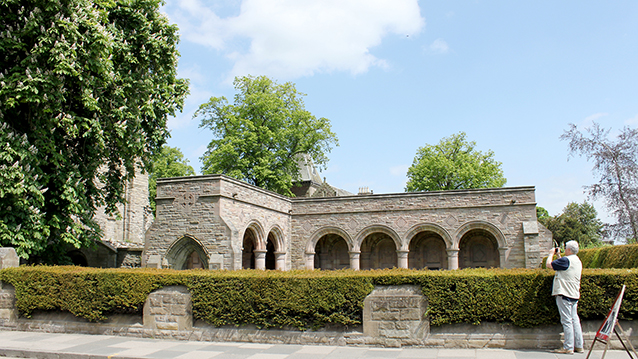
Kelso Abbey, a ruined but spectacular example of Romanesque architecture in the Scottish Borders, was once Scotland's wealthiest abbey, founded by King David I in the 1120s at the strategic confluence of the Tweed and Teviot rivers. Famous for its ornate stonework, it suffered repeated destruction by English forces, notably in 1545, leaving only fragments like the west front, tower, and transept, which once served as the parish church. Now under conservation, it remains a significant historical landmark near the charming town of Kelso.